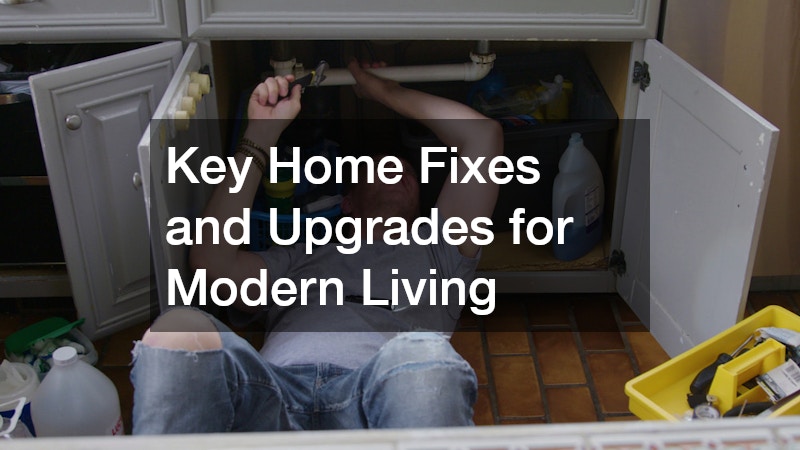
Owning a home comes with a long list of responsibilities, and one of the most important is staying ahead of repairs. Small issues have a way of quietly growing into major problems when they’re ignored, often leading to costly damage, safety risks, and unnecessary stress.
The key to protecting your investment isn’t just reacting when something breaks-it’s recognizing early warning signs and addressing them before they escalate. This guide walks you through the most critical areas of your home that require consistent attention, along with practical, actionable steps you can take to keep everything running smoothly.
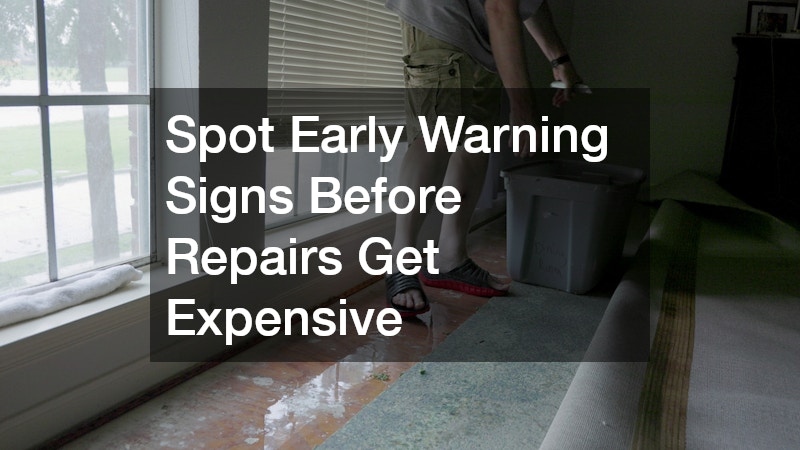
Spot Early Warning Signs Before Repairs Get Expensive
Before diving into specific systems, it’s important to understand how to identify problems early. Many homeowners overlook subtle signs until they become obvious-and expensive. A small stain on the ceiling, for example, might seem harmless at first but could indicate a hidden leak that worsens over time. Developing a habit of routine inspections can significantly reduce long-term repair costs and prevent unexpected breakdowns. Over time, this proactive mindset becomes second nature and helps you maintain better control over your home’s condition.
What to Watch For
- Unusual sounds (grinding, dripping, humming)
- Sudden increases in utility bills
- Visible cracks, stains, or warping
- Musty odors or poor air quality
Smart Inspection Habits
- Walk through your home monthly and check walls, ceilings, and floors
- Inspect under sinks and around appliances for moisture
- Look at exterior areas like siding, gutters, and walkways
- Test smoke detectors and safety systems regularly
DIY vs. Professional Help
Understanding when to handle a repair yourself and when to call in a professional is crucial for both safety and cost efficiency. Basic tasks like tightening loose fixtures, cleaning debris, or applying sealant can usually be handled without specialized training. However, anything involving structural integrity, electrical systems, or major plumbing should always be left to experts. Attempting complex repairs without the right tools or experience can make the problem worse and even create safety hazards.
Keep Your Garage Door Safe and Functional Year-Round
A garage door is one of the largest and most frequently used moving parts in your home, yet it’s often overlooked until something goes wrong. Because it operates under tension and weight, even a minor malfunction can quickly become a safety concern. Ignoring early signs like unusual noises or delayed movement can lead to complete system failure or even accidents. Regular maintenance not only ensures smooth operation but also extends the lifespan of the entire system. Staying proactive helps you avoid inconvenience while keeping your household safe and secure.
Signs Something Isn’t Right
- Loud grinding or squeaking noises
- Slow or jerky movement
- The door doesn’t fully open or close
- Remote or wall switch delays
Maintenance Tips You Can Do Yourself
- Lubricate rollers, hinges, and tracks every 3-6 months
- Clean debris from tracks to prevent misalignment
- Test the auto-reverse safety feature monthly
- Tighten loose hardware with basic tools
When to Call a Professional
Some garage door issues go beyond simple maintenance and require specialized tools and expertise. Broken springs, frayed cables, or motor failures are not only difficult to fix but can also be dangerous to handle without proper training. In these cases, scheduling garage door repair is the safest option to restore proper function. For more complex or recurring issues, working with a residential garage door repair service ensures the system is properly adjusted and operating safely.
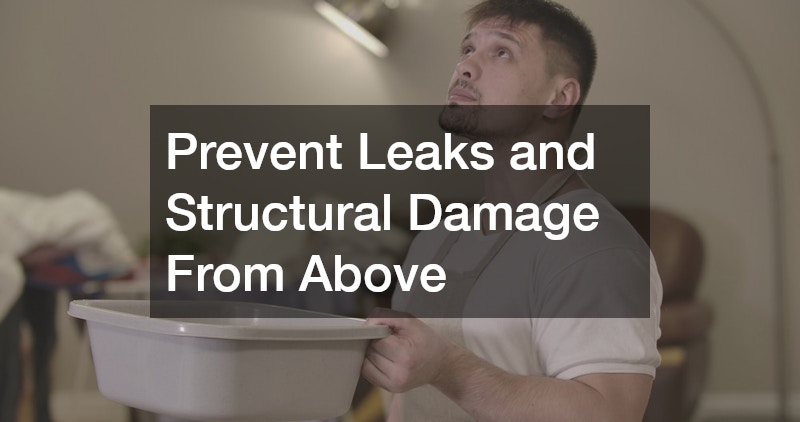
Prevent Leaks and Structural Damage From Above
Your roof plays a critical role in protecting your home from weather, temperature changes, and moisture intrusion. Even minor damage can allow water to seep into your home, leading to mold growth, insulation problems, and structural deterioration. Many homeowners don’t realize how quickly a small issue can escalate into a major repair if left unaddressed. Regular inspections and maintenance are essential for catching problems early and preserving the integrity of your home. Taking a proactive approach ensures your roof remains strong and reliable throughout the year.
Common Problems to Look For
- Missing or curled shingles
- Water stains on ceilings or walls
- Sagging roof sections
- Granules are collecting in gutters
Safe Inspection Tips
- Use binoculars to check from the ground
- Inspect after storms or heavy winds
- Look for uneven lines or discoloration
Preventative Maintenance
Keeping your roof in good condition doesn’t always require major work, but consistency is key. Cleaning gutters regularly helps prevent water buildup that can damage roofing materials and lead to leaks. Trimming nearby tree branches reduces the risk of falling debris during storms. Addressing minor issues early can help you avoid more extensive roof repairs and keep your home protected year-round.
Protect Your Home’s Water Supply System
For homes that rely on a private well, maintaining the water system is essential for both convenience and health. Problems often develop gradually, making them easy to overlook until they affect water quality or pressure. Regular testing and inspection can help identify issues early and ensure your household has access to safe, clean water. Ignoring warning signs can lead to contamination or system failure, both of which can be costly and inconvenient. Staying attentive to changes in water performance is one of the best ways to prevent larger issues.
Warning Signs of Trouble
- Low or inconsistent water pressure
- Cloudy or discolored water
- Strange tastes or odors
- Pump running continuously
Routine Maintenance Steps
- Test water quality annually
- Inspect the well cap for damage
- Monitor pump performance
- Keep the surrounding area clean and sealed
When to Call for Help
When problems persist despite regular maintenance, it’s often a sign that deeper issues are affecting your system. Mechanical failures, worn-out pumps, or contamination risks require professional attention to resolve safely. In these situations, scheduling water well repair is the best way to restore proper function.

Don’t Ignore Pool Enclosure Damage
A screened pool enclosure adds comfort, cleanliness, and protection to your outdoor space, but it requires regular upkeep to remain effective. Small tears or loose sections may not seem urgent, yet they can quickly worsen if left unattended. Maintaining the enclosure not only improves appearance but also helps keep pests and unwanted debris out of your pool area. Regular inspections can help you catch minor issues before they require more extensive repairs. Staying proactive ensures your outdoor space remains enjoyable and functional.
Why Small Damage Matters
- Tears allow insects and debris inside
- Compromised screens reduce privacy
- Structural strain can worsen over time
Quick Fixes vs. Bigger Repairs
- Small holes can be patched with repair kits
- Loose framing may require tightening or replacement
- Large tears often need full panel replacement
Maintenance Tips
Consistent care plays a major role in extending the lifespan of your enclosure. Rinsing screens periodically helps remove dirt and buildup that can weaken materials over time. After storms, it’s important to inspect frames and connections for damage or loosening. When repairs go beyond simple fixes, working with a pool screen repair company can ensure the enclosure is restored properly and built to last.
Stay Ahead of Dangerous Electrical Issues
Electrical systems are essential to modern living, but they also pose significant risks when something goes wrong. Unlike other types of repairs, electrical issues can escalate quickly and become dangerous if ignored. Many warning signs start subtly, making it easy for homeowners to overlook them until a serious problem develops. Taking these signs seriously and acting quickly can prevent hazards such as fires or equipment damage. Staying vigilant ensures your home remains safe and functional.
Warning Signs You Should Never Ignore
- Flickering or dimming lights
- Burning smells near outlets
- Frequently tripping breakers
- Warm or discolored wall plates
Safety Practices for Homeowners
- Avoid overloading outlets
- Use surge protectors for electronics
- Replace damaged cords immediately
- Keep water away from electrical components
When to Call a Professional
Electrical problems should never be approached casually, especially when they involve wiring or circuit systems. If you notice recurring issues or anything that seems unsafe, it’s important to act quickly. Scheduling professional electrical repairs ensures the problem is handled safely and correctly.

Maintain Your Hot Tub for Safety and Longevity
A hot tub can be a relaxing addition to your home, but it requires regular care to stay in good condition. Without proper maintenance, small issues can quickly affect performance and hygiene. Consistent upkeep helps prevent breakdowns and ensures your hot tub remains safe to use. By staying on top of maintenance tasks, you can enjoy your investment without unexpected interruptions. A well-maintained system also lasts longer and operates more efficiently.
Common Issues to Watch For
- Water is not heating properly
- Weak or non-functioning jets
- Leaks around the base
- Cloudy or unbalanced water
Routine Maintenance Checklist
- Clean filters regularly
- Test and balance water chemistry weekly
- Inspect seals and connections
- Drain and refill periodically
When Repairs Are Needed
If routine maintenance no longer resolves the issues, it may be time to seek professional assistance. Persistent leaks, heating failures, or malfunctioning components often require specialized tools and expertise. In these situations, scheduling hot tub repair can help restore proper function.
Fix Plumbing Problems Before They Escalate
Plumbing systems are used daily, which means even small issues can quickly become major concerns if ignored. A slow leak or minor clog might not seem urgent at first, but these problems often worsen over time. Water damage can spread behind walls and under floors, leading to costly repairs and potential health risks. Staying attentive to early warning signs allows you to address problems before they escalate. Taking action early can save both time and money in the long run.
Early Warning Signs
- Slow-draining sinks or tubs
- Low water pressure
- Unexplained water bills
- Damp spots under sinks or behind walls
Preventative Steps
- Avoid pouring grease down drains
- Use drain covers to catch debris
- Insulate pipes in colder months
- Check for leaks regularly
Why Acting Early Matters
Ignoring small plumbing issues can lead to much larger and more expensive problems over time. Even a minor leak can cause mold growth, structural damage, and increased utility costs if left untreated. Scheduling plumbing repair at the first sign of trouble helps prevent these outcomes.
Protect Your Home’s Structural Integrity
Your home’s foundation is one of its most critical components, supporting everything above it. When issues develop, they can affect the stability and safety of the entire structure. Many homeowners overlook early signs because they appear minor, but these problems can quickly worsen if ignored. Addressing these concerns early can prevent more extensive and costly damage. Understanding the causes and warning signs helps you take action before the problem escalates.
Signs of Foundation Problems
- Cracks in walls or floors
- Doors and windows are sticking
- Uneven or sloping floors
- Gaps around frames
Common Causes
- Soil movement or erosion
- Poor drainage
- Excess moisture around the foundation
- Tree roots are disrupting the soil
Prevention Tips
Maintaining a stable foundation requires consistent attention to drainage and surrounding conditions. Ensuring water flows away from your home helps prevent soil expansion and contraction that can lead to cracks. Keeping moisture levels consistent around the foundation also reduces stress on the structure. When issues begin to appear, professional foundation repair services can help stabilize your home and prevent further structural damage.
Keep Your Chimney Safe and Efficient
Chimneys play an important role in ventilation and safety, especially in homes with fireplaces or heating systems. Over time, exposure to heat, moisture, and debris can cause deterioration that affects performance. Many homeowners forget about chimney maintenance until problems become obvious, which can increase the risk of fire hazards or poor air quality. Regular inspections and cleaning help ensure the system functions properly and safely. Staying proactive with maintenance reduces the likelihood of costly repairs and improves overall efficiency.
Signs Your Chimney Needs Attention
- Cracked bricks or mortar
- Smoke backing into your home
- Strong odors from the fireplace
- Visible creosote buildup
Maintenance Best Practices
- Schedule annual inspections
- Clean the chimney regularly
- Install a chimney cap to prevent debris entry
- Repair minor cracks before they spread
When to Act Quickly
Certain chimney issues require immediate attention to prevent serious safety risks. Structural damage, heavy creosote buildup, or ventilation problems can all lead to dangerous conditions if left unresolved. In these cases, scheduling chimney repair is essential to restore safe operation.
Build a Smarter Plan for Long-Term Home Maintenance
Staying on top of home repairs isn’t just about reacting to problems-it’s about having a clear, manageable plan. When maintenance tasks are organized and scheduled, they become much easier to handle and far less overwhelming. Breaking tasks into monthly, seasonal, and annual routines helps ensure nothing is overlooked. It also allows you to spread out expenses rather than dealing with multiple costly repairs at once. Over time, this approach helps protect your home and reduces stress.
Break It Down by Timeline
Monthly Tasks
- Check for leaks and unusual noises
- Test safety systems
- Inspect visible areas for wear
Seasonal Tasks
- Clean gutters and inspect exterior
- Service HVAC systems
- Check insulation and weatherproofing
Annual Tasks
- Schedule professional inspections
- Review your home maintenance budget
- Update repair records
Budgeting and Planning Ahead
Setting aside a portion of your budget for ongoing maintenance is one of the most effective ways to avoid financial strain. Many experts recommend saving a small percentage of your home’s value each year to cover repairs and unexpected issues. Prioritizing urgent repairs first ensures that critical problems are addressed before they worsen.