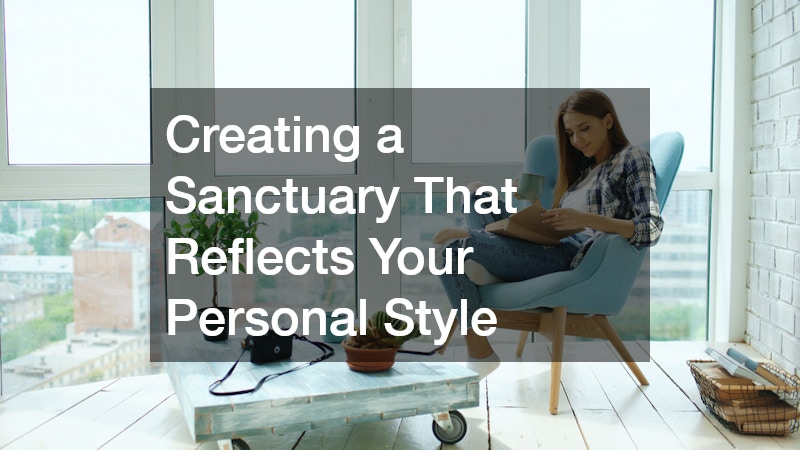
Designing a home is about more than just picking out furniture; it is about crafting an environment that supports your lifestyle and nurtures your well-being. Whether you are moving into a new space or refreshing a long-time residence, the process of interior design allows you to express your personality through textures, colors, and functional layouts. A well-designed home balances aesthetics with utility, ensuring that every room serves a purpose while looking effortless. By understanding the intersection of architectural integrity and decorative flair, you can curate a space that feels both curated and comfortable.
Prioritize Natural Light and Window Treatments
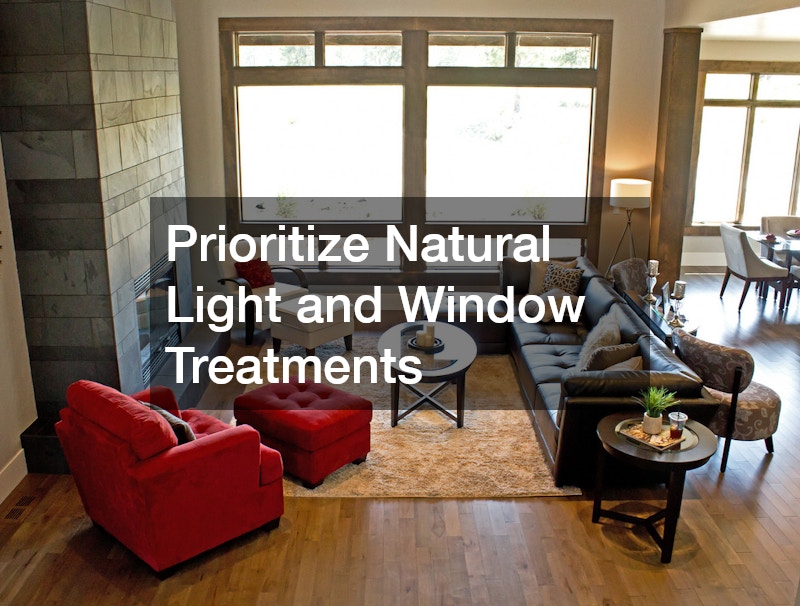
One of the most effective ways to transform the mood of a room is by controlling the natural light that enters through your various portals. Large windows can make a small space feel expansive and airy, but they require the right dressing to ensure privacy and light regulation. Choosing a professional blinds and drapery service can help you find the perfect balance between sheer fabrics that filter sunlight and blackout options for better sleep. These experts can guide you through the complexities of motorized systems or traditional manual cords, ensuring that your window coverings are as functional as they are beautiful.
Beyond just light control, window treatments add a layer of texture to your walls that can soften the hard lines of a room’s architecture. Floor-to-ceiling drapes can create the illusion of height in rooms with low ceilings, making the entire space feel more grand and formal. Conversely, Roman shades or wooden shutters offer a clean, modern look that suits minimalist or industrial aesthetics. Consider the orientation of your windows when selecting materials; south-facing rooms may need UV-resistant fabrics to prevent furniture from fading over time, while north-facing rooms might benefit from lighter colors to maximize the cooler light.
Enhance Comfort with Seasonal Climate Control
A beautiful home is only enjoyable if it remains comfortable throughout the changing seasons. While aesthetics often take center stage in design blogs, the mechanical health of your home is the silent foundation of comfort. Regular air conditioning maintenance ensures that your indoor climate remains consistent, preventing the humidity spikes that can damage wooden furniture, cause paint to peel, or affect the longevity of delicate wallpaper. A well-maintained system also operates more efficiently, reducing your carbon footprint and saving on monthly utility costs.
In addition to mechanical upkeep, you can use decor to manage temperature and atmospheric feel. Heavy rugs and thick velvet curtains help insulate rooms during the winter, trapping heat and creating a cozy vibe. During the summer months, switching to breathable linen slipcovers and lighter jute rugs can make a space feel cooler and more refreshing. Integrating smart thermostats into your design allows you to maintain the perfect ambiance without distracting from your decor, as many modern units are designed with sleek, unobtrusive interfaces that blend into the wall.

Invest in Professional Structural Updates
When a room’s layout no longer fits your needs, cosmetic changes like new paint or pillows can only go so far. Sometimes, a significant structural change is necessary to improve the flow of your home and make it more livable. Working with experienced home builders can provide the expertise needed to knock down non-load-bearing walls for an open floor plan or add custom built-ins that maximize storage. These professionals understand the local building codes and structural requirements that ensure your home remains safe and sound for decades to come.
Structural updates also increase the long-term market value of your property. Custom cabinetry, high-quality flooring, and architectural details like crown molding or coffered ceilings provide a “finished” look that generic furniture cannot replicate. These foundational elements act as the permanent canvas for your more ephemeral decor choices, such as art, lighting fixtures, and accessories. When you invest in the bones of the house, you create a timeless backdrop that allows your personal style to evolve without requiring a total overhaul every few years.
Refresh Your Culinary and Dining Spaces
The kitchen is often referred to as the heart of the home, making it a primary focus for many homeowners looking to update their space. Modern kitchen design leans toward open-concept layouts that allow the cook to interact with guests or family members in the adjacent living areas. If your current kitchen feels cramped, poorly lit, or outdated, hiring a specialized remodeling service can help you reconfigure the footprint for better efficiency. A professional designer can help you identify wasted space and turn it into a functional pantry or a coffee station.
Consider the “work triangle” between the stove, sink, and refrigerator to ensure your kitchen remains functional during high-traffic meal times. Integrating high-end materials like quartz or marble countertops can instantly elevate the room’s aesthetic and provide a durable surface for food preparation. Don’t forget the importance of layered lighting; a combination of recessed ceiling lights for general illumination, under-cabinet task lighting for food prep, and decorative pendants over an island creates a scheme that is both practical and stylish.

Create an Outdoor Oasis for Relaxation
Your design aesthetic shouldn’t stop at the back door. Extending your living space into the backyard creates a seamless transition between the indoors and the outdoors, effectively increasing the square footage of your usable home. Installing high-quality patio pavers allows you to define specific zones for dining, lounging, or gathering around a fire pit, making the backyard feel like a true extension of the residence. The choice of stone, brick, or concrete can complement your home’s exterior color palette and architectural style.
To make this outdoor area usable throughout the day and across different seasons, consider the impact of the sun. Adding outdoor solar shades can significantly reduce glare and heat on your patio or porch, allowing you to enjoy the fresh air even during the peak of a hot afternoon. These shades also protect your outdoor furniture from harsh UV rays, ensuring your investment in outdoor sofas and tables lasts for years. By creating a comfortable environment outside, you encourage a lifestyle that values nature and relaxation.
Focus on High-Impact Bathroom Transformations
Bathrooms are some of the most frequently used rooms in the house, yet they are often the most neglected in terms of design. A well-designed bathroom should feel like a private sanctuary—a place to unwind and decompress after a long day. If you are dealing with dated tiles, leaking faucets, or inefficient fixtures, consulting with bathroom remodelers can help you modernize the space with water-saving technology and contemporary finishes. Even a small guest powder room can benefit from bold wallpaper or a unique vanity that leaves a lasting impression on visitors.
Consider incorporating natural elements like stone or wood-look porcelain tile to bring a sense of organic calm to the space. Floating vanities are excellent for making small bathrooms feel larger, as they leave more floor space visible to the eye. Upgrading to a walk-in shower with a rainfall showerhead or a freestanding soaking tub can provide that luxury hotel feeling right in your own home. When functionality meets high-end design, the bathroom becomes more than just a utility room; it becomes a vital part of your self-care routine.
Ensure Longevity with External Home Care
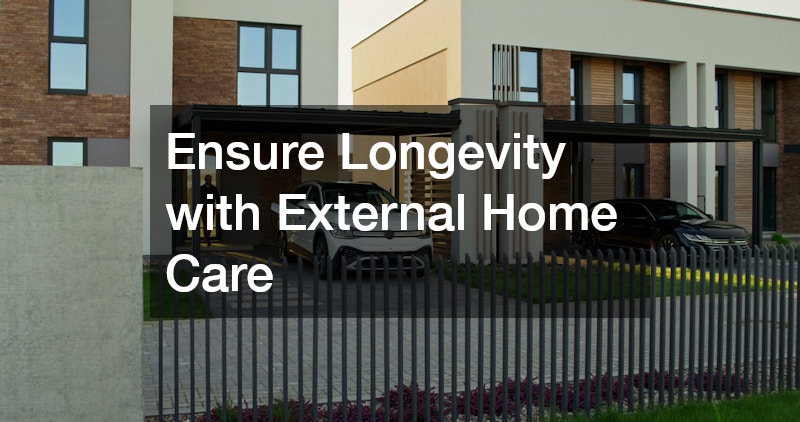
The exterior of your home is the first thing people see, but it also serves as the first line of defense against the elements. A beautiful interior is only safe if the exterior shell is secure and weather-tight. Consulting with residential roofers for regular inspections can prevent minor leaks from becoming major disasters that might otherwise ruin your carefully curated interior paint jobs or expensive hardwood floors. A healthy roof also contributes to the energy efficiency of the home, keeping conditioned air inside where it belongs.
Curb appeal is another vital aspect of home design that shouldn’t be overlooked. Fresh paint on the front door, updated house numbers, and well-maintained landscaping can make a world of difference in how your home is perceived. Your roof, siding, and gutters should be viewed as functional design elements that contribute to the overall silhouette and color palette of your property. By maintaining these external components, you protect your investment and ensure that the beauty of your home is reflected both inside and out.
Modernize Your Entryways and Views
Windows and doors are the eyes of the home, and their style dictates much of the architectural character of the building. If your home feels dark, drafty, or dated, a window installation company can replace old units with energy-efficient models that feature slimmer frames and larger glass panes. This allows for more natural light to flood your living spaces and provides better views of your landscaping or the surrounding neighborhood. Modern windows also offer superior insulation, which helps maintain a steady indoor temperature.
New windows can also improve the soundproofing of your home, which is essential if you live in a busy urban area or a bustling suburban neighborhood. Choosing the right frame material—whether it’s classic wood for a traditional look, durable vinyl for low maintenance, or sleek aluminum for a modern aesthetic—allows you to match the windows to both the interior decor and the exterior architecture. The right entryway door can also serve as a major design statement, welcoming guests with a sense of style and security.

Tailor Your Primary Suite for Ultimate Privacy
Your bedroom should be a sanctuary away from the noise and chaos of the rest of the house. Design in the primary suite should focus on soft textures, a calming color palette, and a layout that promotes rest. However, the ensuite bathroom is just as important for creating that sense of total seclusion. Working with a bathroom remodeling contractor allows you to customize the layout to include luxury features like double vanities, a custom-tiled shower, or even a private steam room. These features add a level of personal indulgence that makes every morning feel special.
Storage is another critical factor in bedroom design that affects your mental state. Walk-in closets with custom shelving systems keep clutter out of sight, allowing the bedroom to remain a peaceful environment free from the “visual noise” of piles of clothes. Consider using “smart” lighting that slowly brightens in the morning to mimic a natural sunrise, helping you wake up feeling more refreshed. By tailoring every detail of the primary suite to your specific needs, you create a space where you can truly recharge.
Curate Art and Personal Collections
Once the structural and functional elements are in place, it is time to layer in the items that make a house feel like a home. Art is one of the most personal choices you can make in design, reflecting your history, your travels, and your tastes. Whether it’s a large-scale oil painting, a collection of vintage maps, or framed family photos, how you display your items says a lot about your journey. Art can serve as the starting point for a room’s color palette or as the final piece that ties all the other elements together.
Gallery walls are a popular way to fill large empty spaces and display a variety of smaller pieces, but don’t be afraid of the “less is more” approach. A single, impactful piece of art can serve as a powerful focal point for an entire room, drawing the eye and sparking conversation. When hanging art, ensure it is at eye level—typically about 60 inches from the floor—to create a balanced look that feels intentional. Integrating personal collections into your shelving or tabletops also adds character, making the space uniquely yours.

The Power of Textiles and Soft Goods
Texture is the secret ingredient that makes a room feel professional rather than sterile. While a room might have beautiful furniture and paint, it is the rugs, pillows, and throws that bring it to life. Mixing textures like a velvet sofa with a chunky wool rug and silk cushions creates visual interest and physical comfort. In a living room, a large area rug can ground the seating arrangement, defining the space within a larger room. Without these soft elements, sounds can bounce off hard surfaces, making a room feel echoey and cold.
Bedding is another area where you can play with texture to enhance your design. Layering different weights of blankets and adding various pillow sizes creates a bed that looks inviting and plush. Choose natural fibers like cotton, linen, or bamboo for their breathability and durability. Beyond the bedroom, even functional items like towels in the bathroom or napkins in the dining room can be used as design accents. By paying attention to the tactile quality of the items you touch every day, you improve your overall domestic experience.
Creating Flow and Balance in Open Floor Plans
Open-concept living is highly desirable for its social benefits, but it can be difficult to decorate effectively. Without walls to define rooms, you must use furniture, rugs, and lighting to create distinct “zones.” An area rug under the dining table and another in the living area visually separates the two functions even if they share the same floor space. Consistent flooring throughout the entire open area helps maintain a sense of flow and prevents the space from feeling choppy.
Scale is particularly important in large open rooms. Furniture that is too small will look lost, while pieces that are too large can make the space feel crowded. Use a mix of tall items, like bookshelves or indoor trees, and lower items like sofas and coffee tables to create a varied skyline within the room. By paying attention to how people move through the space—keeping walkways clear and ensuring that conversations can happen naturally—you create an open home that feels organized and inviting.

Bringing it All Together
Finding the right balance between trends and timelessness is the key to successful home design. By focusing on quality materials and professional craftsmanship, you create a space that not only looks beautiful today but remains functional and valuable for years to come. Your home is an evolving project, reflecting your changing needs and tastes over time. Whether you are tackling a major renovation or simply updating your window treatments, every choice you make is an opportunity to enhance your daily life. A well-designed home is more than just a place to live; it is a backdrop for your life’s most important moments, a sanctuary from the world, and a true reflection of who you are. Embrace the process, trust your instincts, and enjoy the journey of creating your perfect environment.