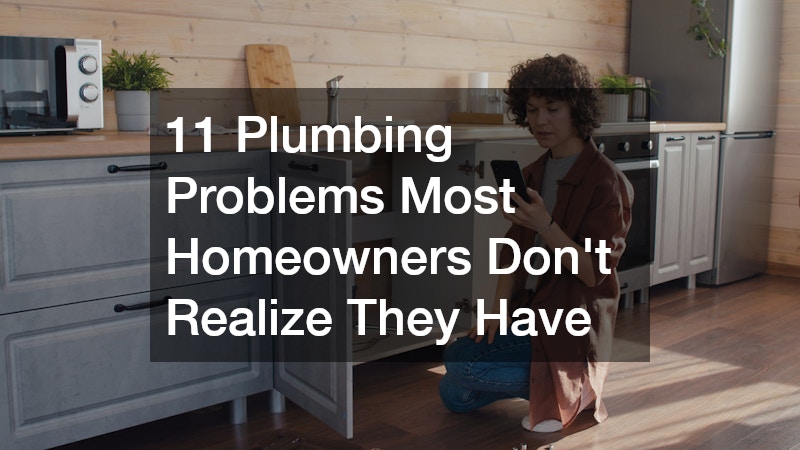
Plumbing problems are one of those things most homeowners don’t notice until it’s too late. A small leak behind a wall, a slow-draining sink, or a slightly malfunctioning water heater might seem minor—but these hidden issues can cause significant damage over time, from water waste and higher utility bills to mold growth and structural problems. Many of these problems develop quietly, leaving homeowners unaware until an emergency strikes.
Understanding the plumbing issues that often go unnoticed is the first step toward protecting your home and avoiding costly repairs. In this guide, we’ll explore 11 common plumbing problems that homeowners frequently overlook and explain how early detection, routine maintenance, and professional intervention can save you time, money, and stress.
1. Hidden Leaks Behind Walls and Under Floors
Many homeowners are unaware of leaks concealed behind walls or beneath floors. These hidden leaks can silently damage your home’s structure, promote mold growth, and increase water bills. Often, the first visible signs are subtle: a slight discoloration on walls, a musty smell, or unusually high water consumption. Catching these leaks early is critical, as they tend to worsen over time and lead to costly repairs.
Routine plumbing inspection can uncover leaks before they escalate. Professional inspectors use advanced tools, including thermal imaging and moisture sensors, to detect leaks that would otherwise remain invisible. Ignoring these hidden leaks can compromise wooden flooring, drywall, and insulation, sometimes requiring full replacement of affected areas.
Proactive maintenance is key. If you notice even minor water stains or dampness, schedule a plumbing inspection immediately. Regular inspections not only prevent serious structural damage but also reduce energy and water costs, keeping your home safer and more efficient.
2. Low Water Pressure Issues
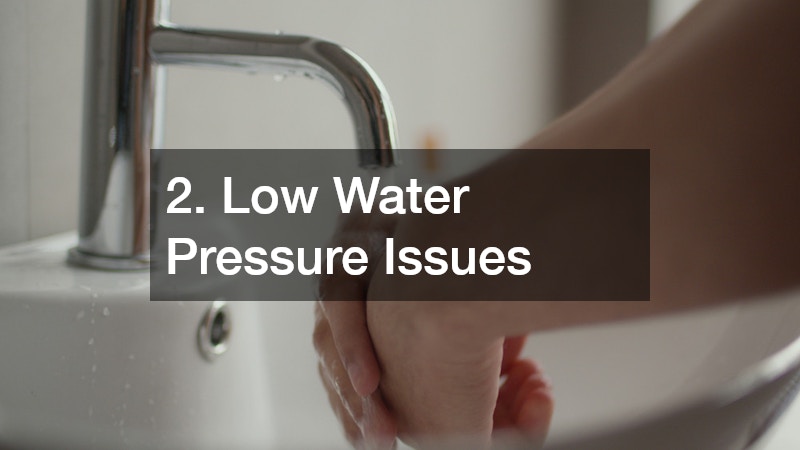
Low water pressure is often dismissed as a minor inconvenience, but it can indicate more serious underlying plumbing problems. Sediment buildup, corroded pipes, or malfunctioning valves can all reduce water flow, affecting showers, faucets, and appliances. Over time, persistent low pressure can strain plumbing systems, potentially causing leaks or pipe bursts.
Addressing low water pressure often starts with local pipe repairs. Experienced plumbers can identify the source of the problem and determine whether partial repairs or full pipe replacement is necessary. Regular maintenance, including flushing your system and removing sediment, ensures water flows efficiently throughout your home.
Monitoring water pressure regularly is important. Homes with older plumbing or hard water conditions are more prone to pressure issues. Early intervention prevents more extensive repairs and helps maintain consistent water supply for daily needs.
3. Malfunctioning Water Heaters
Many homeowners don’t realize that water heaters can fail gradually. Reduced hot water, strange noises, or leaks around the tank are often signs of corrosion, sediment buildup, or heating element failure. Neglecting these issues can lead to full water heater breakdowns, leaving your household without hot water.
Timely water heater service is essential to maintain efficiency and extend the lifespan of your system. Professionals can flush sediment, inspect electrical components, and replace worn parts before they cause major failures. Regular servicing can also improve energy efficiency, reducing utility bills and preventing unexpected breakdowns.
Keeping your water heater in top condition not only ensures reliable hot water but also protects your plumbing system from pressure fluctuations and leaks that could damage surrounding areas.
4. Sewer Line Blockages and Slow Drains
Slow drains and recurring backups are signs that your sewer lines may be partially blocked. Hair, grease, soap residue, and foreign objects accumulate over time, causing clogs that disrupt drainage. Left unchecked, these blockages can lead to more serious issues such as sewage backups and structural damage.
Trenchless drain lining has become a popular solution for damaged or obstructed sewer lines. This minimally invasive method repairs pipes without extensive digging, reducing cost and property disruption. For ongoing issues, professional plumbers can also perform comprehensive cleaning and inspection to ensure long-term flow efficiency.
Monitoring drains and addressing issues early can prevent costly emergency interventions. Regular cleaning, mindful disposal practices, and periodic professional inspections are essential to avoid significant plumbing problems.
5. Faulty or Aging Pipes
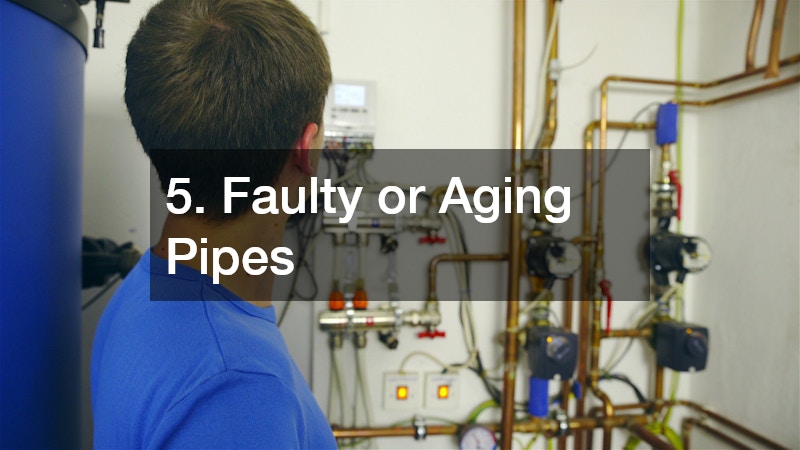
Over time, even the sturdiest pipes can deteriorate. Corrosion, rust, and hairline cracks often develop gradually and remain hidden until they cause noticeable problems. Aging pipes may lead to slow leaks, reduced water pressure, or compromised water quality, with metallic tastes, discoloration, or sediment appearing in taps. Many homeowners underestimate the risks associated with old plumbing, assuming minor issues will resolve themselves. Unfortunately, a sudden pipe burst can result in extensive water damage, ruining flooring, walls, and personal belongings, as well as creating costly cleanup and repair needs.
Regular local pipe repairs and inspections are essential to maintain a safe and reliable plumbing system. Skilled technicians can evaluate the condition of your pipes, pinpoint areas of concern, and replace damaged sections before they escalate into emergencies. Modern materials such as PEX or copper are often recommended because they resist corrosion, provide long-term durability, and are less prone to leaks compared to older galvanized steel or aging copper piping.
Proactively addressing aging pipes not only prevents unexpected water damage but also preserves water quality and ensures consistent water pressure throughout your home. Homes with older plumbing systems are particularly vulnerable, making preventive maintenance critical. Scheduling routine inspections and repairs reduces the likelihood of plumbing emergencies, saves money on extensive repairs, and provides peace of mind knowing your plumbing system is reliable and efficient.
6. Backflow and Contamination Risks
Backflow is a serious but often overlooked plumbing problem that occurs when contaminated water flows backward into a home’s clean water supply. This reverse flow can introduce harmful bacteria, chemicals, or other pollutants into drinking water, posing significant health risks. Many homeowners remain unaware of backflow until they notice unusual tastes or odors in their water, or, worse, until someone becomes ill. Common causes of backflow include cross-connections in plumbing systems, such as when garden hoses are attached to outdoor spigots, or sudden drops in water pressure during nearby water main breaks or heavy usage. These events can allow wastewater or other contaminated sources to infiltrate the potable water system unnoticed.
Regular backflow testing is essential for protecting your household water. Certified technicians inspect and test backflow prevention devices, such as check valves and air gaps, ensuring they are functioning properly and preventing any reverse flow. These preventive measures are particularly important in homes with irrigation systems, fire sprinklers, or complex plumbing setups. In addition, many municipalities mandate routine backflow testing to comply with local safety regulations, emphasizing its critical role in public health.
Neglecting backflow risks can lead to contamination, expensive repairs, and potential violations of municipal codes. By ensuring your plumbing system is equipped with properly functioning backflow prevention devices and scheduling regular inspections, homeowners can safeguard their family’s health, maintain clean water, and prevent costly water damage. Proactive management of backflow is a simple yet highly effective way to protect both your water quality and your home’s plumbing infrastructure.
7. Well Pump Problems
Homes with private wells rely on pumps for consistent water supply. Many homeowners don’t realize their well pumps are in need of a water well pump service and may be malfunctioning until water pressure drops significantly, the pump makes unusual noises, or the system fails completely.
Ignoring well pump issues can disrupt daily living and damage connected plumbing systems. Regular servicing guarantees consistent water delivery while prolonging the lifespan of both the pump and your household plumbing network. Prompt well pump repair services can restore functionality and prevent further damage. Technicians inspect motors, pressure switches, and tank conditions to identify mechanical or electrical issues. Routine maintenance helps avoid costly replacements and ensures a reliable water supply.
8. Hidden Leaks Around Fixtures
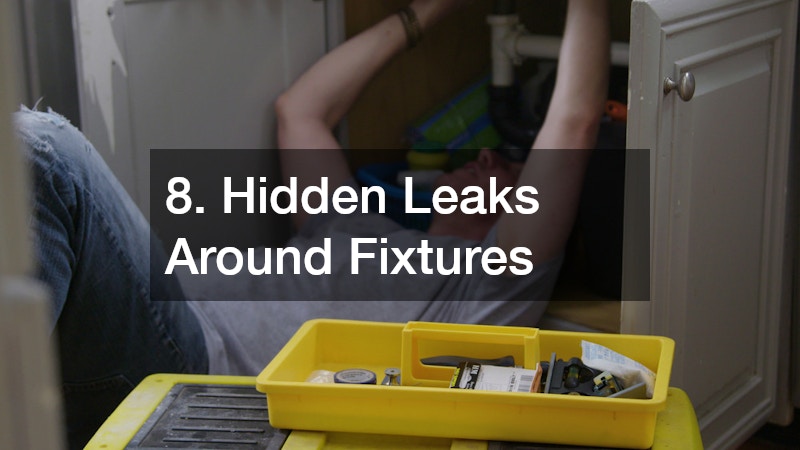
Leaky faucets, showerheads, or toilet valves may seem minor, but small leaks can waste thousands of gallons of water each year. In addition to higher utility bills, prolonged leaks can damage cabinetry, flooring, and walls.
Professional plumbing repair services can pinpoint the source of leaks and replace worn washers, gaskets, or valves. Preventive maintenance helps maintain fixture efficiency, prevents property damage, and reduces water waste.
Even minor leaks should never be ignored. Catching them early prevents long-term structural issues and ensures your fixtures operate correctly, saving both water and money.
9. Old or Malfunctioning Valves
Valves play a critical role in regulating water flow throughout your home, controlling everything from faucets and appliances to irrigation systems and emergency shut-offs. Despite their importance, many homeowners overlook them, assuming that valves are low-maintenance components that rarely fail. In reality, worn, corroded, or improperly functioning valves can lead to significant plumbing problems. Common issues include slow leaks, fluctuating water pressure, and, in severe cases, complete interruption of water flow. A failing main shut-off valve, for example, can turn a minor leak into a full-blown emergency if water cannot be quickly isolated.
Regular plumbing repair and inspection of valves is essential to prevent such emergencies. Professionals can check for signs of corrosion, mineral buildup, or mechanical wear and recommend either refurbishment or full replacement. Ensuring that valves are in proper working order guarantees that water can be shut off swiftly during leaks, repairs, or system upgrades, protecting both your plumbing infrastructure and your home’s interior from potential damage.
Beyond emergency preparedness, maintaining valves contributes to overall water system efficiency. Well-functioning valves help regulate pressure consistently, reducing strain on pipes, minimizing leaks, and preventing uneven water distribution. Proper valve maintenance also reduces the risk of contamination by preventing backflow or unintended mixing of water supplies.
10. Clogged or Aging Water Lines
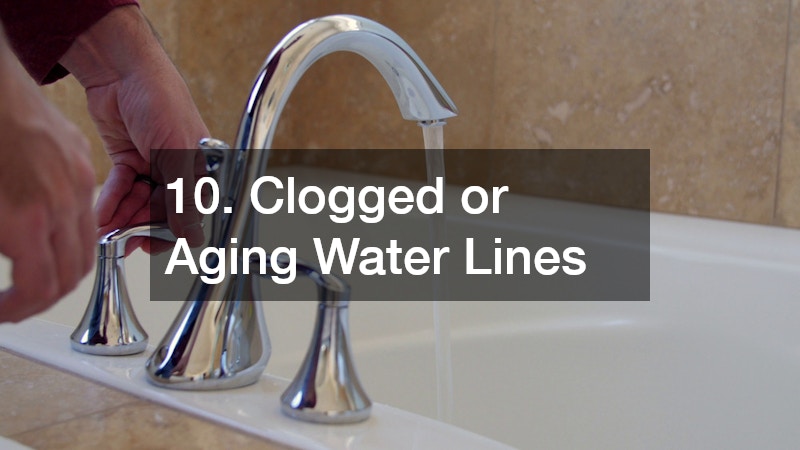
Sediment buildup and corrosion in water lines are common yet often overlooked plumbing issues that can significantly impact a home’s water quality and pressure. Over time, minerals, rust, and other debris accumulate inside pipes, gradually restricting water flow. This can lead to weaker pressure at faucets, inefficient operation of appliances such as dishwashers and washing machines, and even poor performance in irrigation systems. In addition to reduced flow, corrosion can introduce metallic tastes or discoloration to drinking water, which may go unnoticed until it becomes severe. Homeowners frequently underestimate these problems, assuming minor changes in water quality or pressure are temporary or inconsequential.
Professional emergency plumbers are equipped to detect and address these issues before they escalate. By using diagnostic tools, they can pinpoint critical blockages, identify corroded or weakened sections of piping, and recommend appropriate solutions. Modern plumbing methods, such as trenchless drain lining or targeted partial line replacements, allow for repairs with minimal disruption to the home. These solutions restore full functionality, improve water flow, and extend the lifespan of existing plumbing without the need for extensive excavation.
Taking a proactive approach to water line maintenance ensures consistent water pressure, clean and safe water, and a reduced risk of sudden failures. Scheduling regular inspections and cleaning not only protects your home from emergencies but also preserves the long-term integrity of your plumbing system, ultimately saving both time and money.
11. Issues with Plumbing Supplies and Equipment
Using outdated or low-quality plumbing components can lead to recurring issues, from leaks to fixture malfunctions. Homeowners may not realize the impact of inferior parts or improper installation until repeated problems occur.
A reliable plumbing supply store can provide high-quality materials for repairs, replacements, and upgrades. Pairing proper parts with professional installation ensures long-term performance and reduces emergency repair needs.
Maintaining and upgrading plumbing equipment with the right supplies protects your home from frequent malfunctions, improves efficiency, and supports overall system longevity. Regularly consulting experts about supplies and replacement schedules keeps your plumbing in top condition.
Many homeowners remain unaware of these common plumbing problems, yet early detection and proactive maintenance are essential to prevent costly damage. Regular plumbing inspection, timely local pipe repairs, and professional water heater service or well pump repair services ensure your plumbing system operates efficiently. Incorporating preventive measures like backflow testing and using quality materials from a trusted plumbing supply store further protects your home.
Ignoring minor issues can quickly escalate into emergencies, but understanding these hidden problems empowers homeowners to take control. By staying vigilant and scheduling routine maintenance, you can preserve your plumbing system, save money, and enjoy peace of mind.