Extreme weather events are no longer distant anomalies discussed only in agricultural journals; they are a pressing, weekly reality for modern homesteaders. From unpredictable deep freezes that sweep down into southern states to intense summer heat domes and torrential atmospheric rivers, the climate patterns we once relied upon have shifted. For generations, traditional farmsteads were built using local, standard materials designed to withstand predictable seasonal cycles. Today, that old infrastructure is being tested past its breaking point, exposing vulnerabilities that can lead to catastrophic financial losses, compromised structures, and immense personal stress.
Modernizing your property is no longer an issue of mere aesthetics or property value; it is a fundamental shift toward climate resilience. True homestead security requires shifting from a reactive state of crisis management to a proactive posture of structural hardening. By systematically reinforcing your home’s envelope, stabilizing your indoor environments, securing your perimeters, and establishing energy independence, you can transform your acreage into a self-sustaining fortress. The following deep dive outlines the essential steps required to harden your property against the elements, ensuring that your family, your animals, and your livelihood remain secure before the next severe weather event strikes.
Fortifying Roofs Against High Winds and Heavy Snow
Transitioning to Impact-Resistant Materials for Maximum Shielding
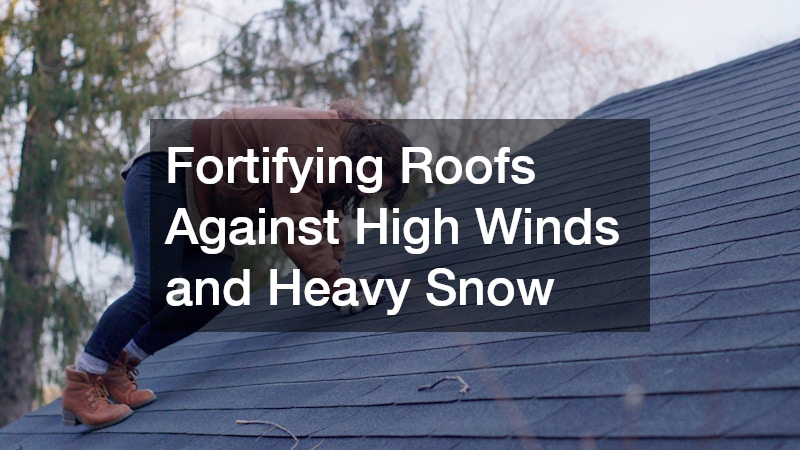
The overhead canopy of your homestead bears the primary brunt of any extreme weather event. When microbursts, straight-line winds, or golf-ball-sized hail strike a rural property, standard three-tab asphalt shingles offer very little defense. They peel away, exposing the underlying plywood deck to immediate water intrusion. To prevent catastrophic failure, a complete material rethink is necessary. Upgrading to Class 4 impact-rated architectural shingles or, ideally, standing-seam metal roofing provides the robust armor required to shed heavy snow packs and deflect falling debris. For large outbuildings, specialized barns, or complex structural layouts, partnering with a certified roofing company ensures that the building’s load-bearing capacity is accurately calculated, verifying that the framing can support heavy winter loads without buckling.
Routine Structural Checks to Prevent Catastrophic Storm Failure
Mitigating storm damage requires a meticulous understanding of your roof’s weakest points. High winds create powerful uplift forces at the edges and ridges of a roof. If your flashing is loose or your soffits are compromised, wind can tear under the deck, lifting entire sections of the roof structure. Annual inspections should focus heavily on the integrity of the eave details and the clearing of heavy-duty gutters. When assessing the main living quarters, collaborating with a dedicated residential roofing company allows you to catch minor issues like compromised underlayment or degrading fasteners before they escalate into major failures during a torrential downpour. Ensuring a continuous water barrier and securing every edge will keep the interior dry and structurally sound when the next major storm front rolls through.
Maintaining Temperature Stability and Air Quality Indoors
Optimizing Multi-Generational Structures for Year-Round Climate Resilience
When prolonged summer heatwaves lock a region under a punishing heat dome, rural homes can quickly become dangerously hot. This poses a severe threat to elderly family members, young children, and farmworkers who spend their days performing intense physical labor outdoors. Traditional cooling methods often fall short when ambient temperatures remain in the triple digits for days on end. Homesteaders must look toward high-efficiency, multi-stage cooling options and ductless mini-split systems to zoned areas of the property. If your primary cooling system falters during the peak of a summer heat surge, having access to an experienced local ac repair professional is vital to restoring safety and comfort before the home becomes unlivable. Zoned cooling also allows you to conserve energy by cooling only occupied spaces during grid emergencies.
Upgrading Heating Infrastructure to Survive Polar Vortex Events
On the opposite end of the spectrum, sudden polar vortex anomalies can plunge a homestead into sub-zero temperatures within a matter of hours. During these deep freezes, an aging heating system running continuously can easily fail under the strain, putting the entire household at risk and threatening to freeze indoor plumbing lines. Upgrading to a modern, high-efficiency heating system equipped with smart, weather-responsive controls provides a critical buffer against extreme cold. Investing in a professional furnace install well ahead of the winter season guarantees that your primary heat source can handle sustained, sub-zero operations. Pair this upgrade with adequate insulation around all interior water pipes and maintain a secondary, non-electric heat source, such as a certified wood stove, to ensure survival if the broader electrical grid goes dark during a blizzard.
Securing Boundaries and High-Traffic Zones Against Flood and Ice
Reinforcing Livestock Perimeters Against Mud and High Winds
Extreme weather puts immense physical stress on the boundaries that keep your livestock safe and predators out. When torrential rains saturate the ground, standard fence posts set directly into dirt can loosen, tilt, and eventually fail under the weight of high winds or leaning animals. A breached perimeter during a severe storm creates an immediate emergency, forcing you into dangerous conditions to round up disoriented livestock.
To prevent this nightmare scenario, homesteaders must rethink their approach to boundary construction. Utilizing deep-set concrete footings for all corner, gate, and brace posts anchors the entire line against soil shifting. Selecting heavy-duty, driven steel T-posts rather than lightweight wooden stakes in low-lying, flood-prone areas provides excellent resistance to standing water. Finally, incorporating specialized wind-break panels along sections exposed to brutal, prevailing winter winds offers critical shelter for livestock. Enlisting the expertise of a professional fence installer ensures that your perimeters are engineered specifically for your soil type and topographies, providing lasting peace of mind when the elements rage.
Upgrading Access Roads to Handle Heavy Rains and Heavy Equipment
An often-overlooked component of homestead resilience is the integrity of your driveways, access roads, and equipment pads. Dirt and poorly graded gravel roads quickly turn into impassable fields of mud during atmospheric river events, preventing feed trucks, emergency vehicles, or tractors from moving safely across the property. Furthermore, rapid freeze-thaw cycles cause the ground to expand and contract, leading to severe cracking and structural collapse in poorly prepared surfaces.
Prioritizing proper sub-base preparation, crowning the center of roads to shed water, and installing wide drainage ditches are essential steps for long-term access. For high-traffic areas near the main house and equipment barns, investing in professional asphalt repair prevents minor cracks from turning into massive potholes, ensuring your infrastructure remains fully operational year-round.
Managing Waste and Water Flow During Floods and Droughts
Protecting Underground Utilities from Saturated Soil and Ground Shifts
When historic rainfall events occur, the sheer volume of water saturating the earth exerts immense hydrostatic pressure on underground utility systems. For homesteads operating on private infrastructure, this shifting water table presents a direct threat to waste management. If a waste tank becomes waterlogged or the surrounding soil fails to drain, the entire system can back up, causing hazardous conditions inside the home.
Preventative care is the best defense against this hidden storm hazard. Homesteaders must monitor their usage, ensure proper surface drainage away from underground utilities, and keep detailed records of system health. Scheduling regular septic pumping ensures that the tank retains maximum capacity to handle high-volume demands when severe weather forces your family to remain indoors for extended periods.
Controlling Soil Erosion and Mitigating Flash Flood Runoff
Severe downpours can quickly strip away valuable topsoil, creating deep, dangerous gullies across pastures and undermining the foundations of barns and homes. Managing this water requires a strategic blend of earthworks and vegetation. Implementing swales, rain gardens, and French drains helps slow the velocity of rushing water, directing it safely toward holding ponds or natural drainage courses rather than allowing it to erode your land. For immediate erosion control on highly vulnerable slopes or bare earth near the homestead foundation, a professional sod installation provides a rapid, dense root matrix. This living barrier grips the soil immediately, preventing the earth from washing away during a flash flood and helping to stabilize the ground around your critical structures.
Achieving Energy Independence and Internal Resilience
Upgrading Electrical Infrastructure for Backup Power and Innovation
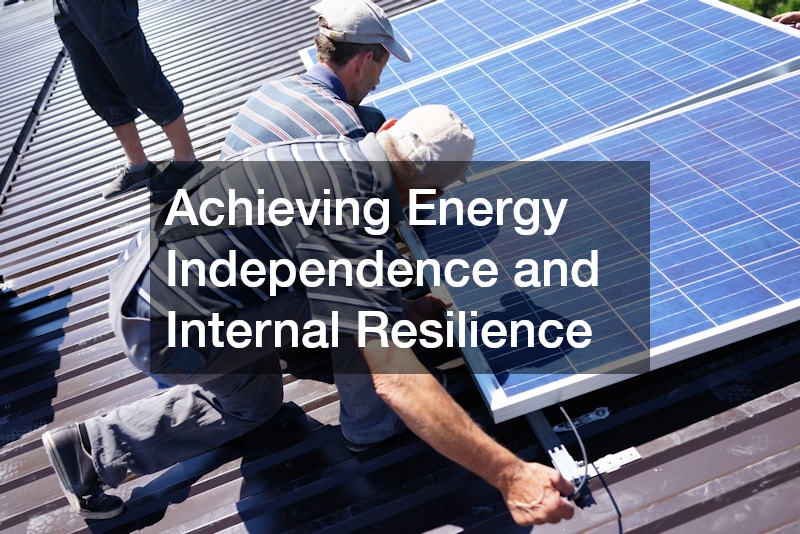
When extreme weather downs regional power lines, remote homesteads are often the last to be restored to the grid. True modern resilience means developing the capacity to generate, store, and manage your own power. Upgrading your main electrical panel to accommodate renewable energy inputs—such as solar arrays or small-scale wind turbines—is a foundational step toward self-sufficiency.
Integrating a robust backup battery system allows your critical infrastructure, such as well pumps and refrigeration, to run uninterrupted. Furthermore, as the tools of rural life evolve, your electrical system must adapt. Incorporating home EV charger installations into your garage or machinery shed allows you to power electric utility vehicles and trucks. Many modern electric vehicles feature bi-directional charging capabilities, meaning your truck can act as a massive, mobile backup battery to power your home’s essential circuits during an extended grid outage.
Selecting Durable and Moisture-Resistant Interior Finishes
Preparing for extreme weather also means acknowledging the practical reality of managing a homestead during a crisis. When you are constantly running outside in freezing rain, deep snow, or thick mud to check on livestock, secure loose equipment, or clear debris, you will inevitably track the elements back inside the home. Traditional hardwood or low-grade carpeting in mudrooms and kitchens will quickly warp, rot, or harbor dangerous mold when exposed to constant moisture.
Choosing a rugged vinyl plank installation for your high-traffic entryways and common areas provides a completely waterproof barrier. These modern materials offer the warmth of traditional wood aesthetics while delivering the durability needed to withstand muddy work boots, dripping heavy coats, and frequent cleanings without degrading, keeping your home clean and structurally sound throughout the worst seasonal storms.
Diversifying Redundancies and Critical Supply Lines
Establishing Redundant Water Resources for Protracted Severe Emergencies
Beyond power and shelter, a truly hardened property must address potential vulnerabilities in its primary utility lines, specifically water procurement. Severe sub-zero freezes can disable outdoor wellheads, while extreme droughts can deplete shallow water tables, leaving livestock and crops stranded. To mitigate these risks, homesteaders should install a dedicated secondary water system, incorporating large-scale gravity-fed storage tanks that hold several thousand gallons of emergency supply. This setup bypasses the immediate need for constant electrical pumping during unexpected outages. Integrating deep-well protection sleeves and frost-free hydrants across the yard prevents the catastrophic freezing of delivery pipes, ensuring that fresh water continues to flow to barns and living quarters even during sustained winter anomalies.
Creating Secure Storage Zones for Agricultural Fuel and Forage Reserves
External environmental volatility requires a robust strategy for keeping operational inputs safe from spoilage and damage. High winds can easily peel back weak tarps on hay stacks, allowing rain to cause rapid mold growth, which destroys vital winter livestock feed. Similarly, extreme summer heat accelerates the degradation of stored farm fuels like diesel and gasoline, presenting a dangerous combustion hazard. Modern homesteaders should build heavily insulated, fire-resistant utility sheds located away from primary living areas to shelter fuel tanks from solar radiation. Implementing covered, well-ventilated metal storage structures for hay and animal feed keeps your winter reserves dry and safe from driving rain, preventing feed supply chain disruptions when localized flooding cuts off access to regional suppliers.
Building Long-Term Peace of Mind
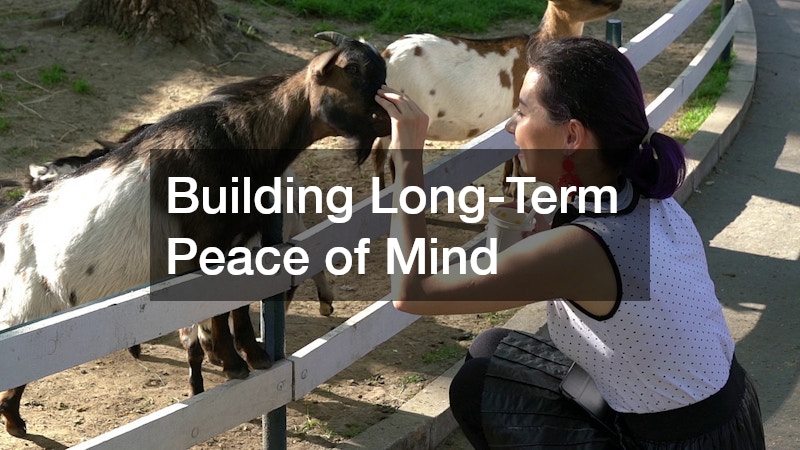
True homestead resilience is not achieved overnight through a single project; it is built through a deliberate, systematic series of upgrades designed to withstand the realities of a changing climate. By addressing the structural integrity of your roofs, stabilizing your internal climate control, securing your boundaries, managing water runoff, and establishing independent energy systems, you effectively remove the single points of failure that make extreme weather so dangerous.
Every proactive step you take today reduces the risk of an expensive emergency tomorrow. Walk your property, identify the weakest links in your current infrastructure, and begin the process of modernizing your homestead. Transforming your property into a resilient sanctuary ensures that no matter what the horizon holds, your family, your animals, and your lifestyle will remain safe, warm, and secure for decades to come.